
















































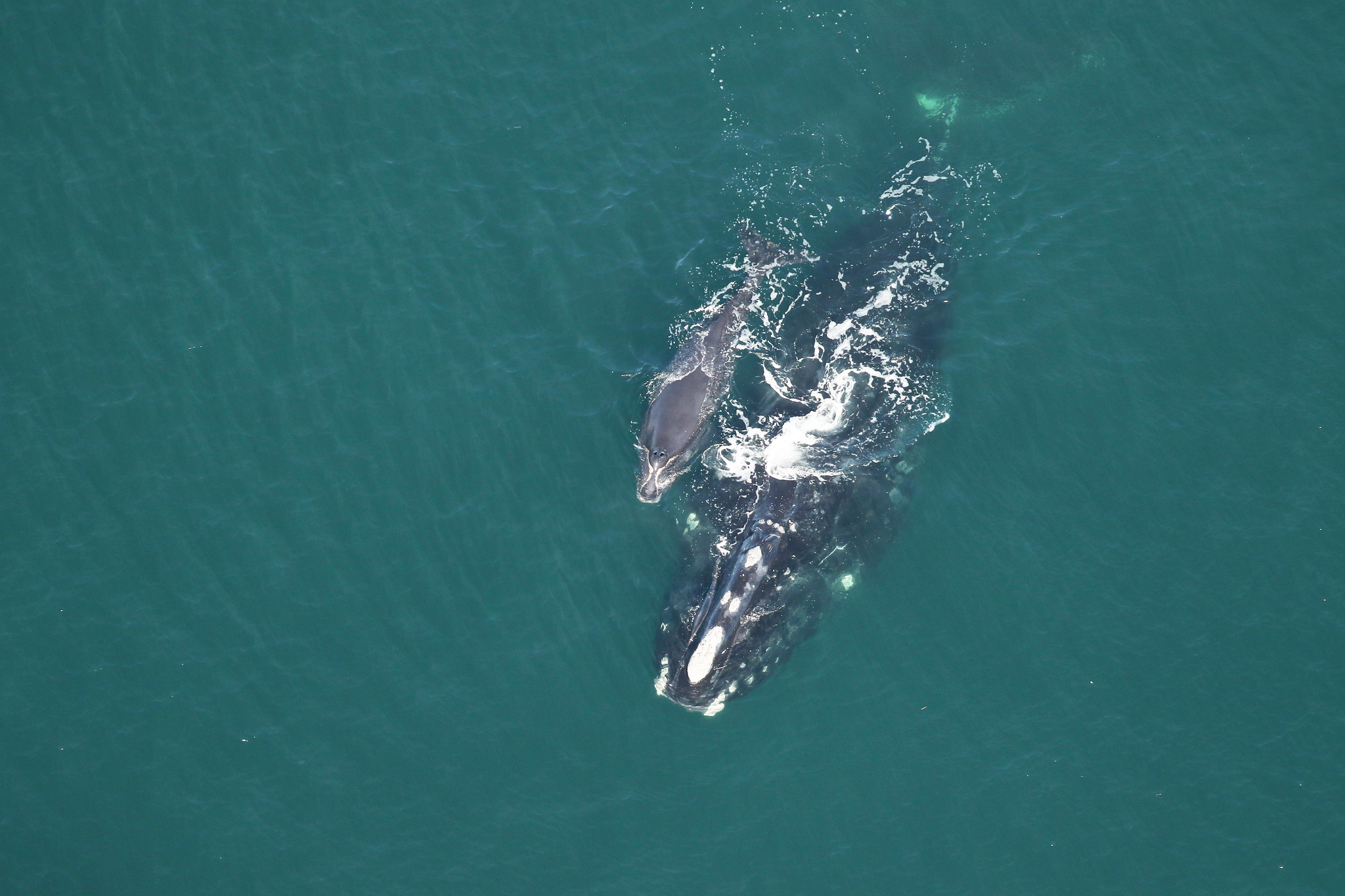
Protections for the North Atlantic right whale may soon be rolled back by the National Oceanic & Atmospheric Administration, the agency announced on Wednesday. The NOAA is proposing deregulating vessel speeds which were initially constrained to limit fatal strikes with right whales.
Right Whales: Florida’s Fading Star of the Deep
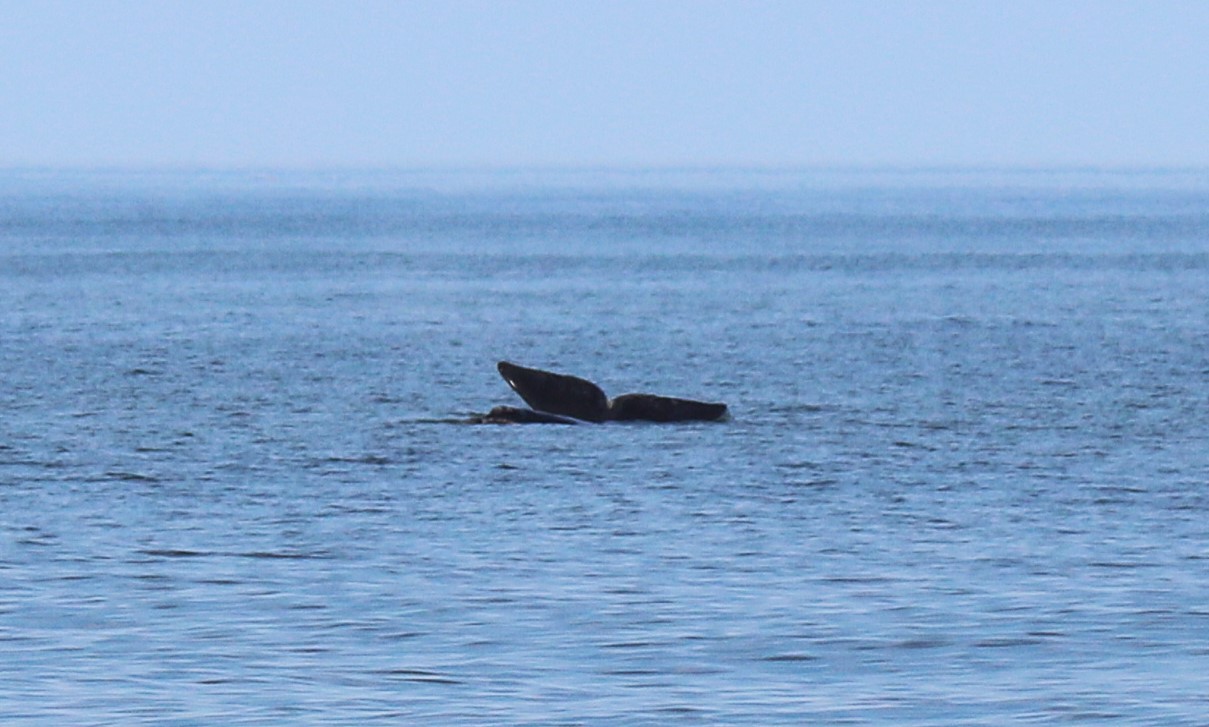
A right whale fluke off of Flagler Beach in 2025. ⓒ Eryn Harris
The North Atlantic right whale is something of a local icon in Flagler Beach, as well as much of the Atlantic coast of Florida. The gentle giants make their annual migration to and from their breeding grounds each winter, leading to rare and magical sightings from the shore.
According to the NOAA’s own data, there are an estimated 380 North Atlantic right whales left on earth. Only about 70 of those are females who can give birth to new calves. Vessel strikes and entanglement in fishing gear have decimated the population of the planet’s second-largest living animal species.
Existing speed limits in place confine vessels to ten knots in certain areas during times when right whale activity is known to be high. According to Oceana, vessels adhering to this speed limit reduces the chances of fatal strikes by 80% to 90%. Still, the same study indicated the vast majority of vessels are not obeying current regulations.
What Could Happen
The NOAA’s stated reasoning for proposing deregulation is to support the economies dependent on marine shipping. The agency claims it will “reduce unnecessary regulatory and economic burdens on the regulated community by replacing current seasonal speed restrictions with alternative management areas and advanced, technology-based, strike-avoidance measures”. By doing this, the NOAA says, they’ll either maintain current conservation results for the right whales, or even improve upon them.
These promises are ambitious, and some experts maintain that speed limits on marine vessels are critical for saving the North Atlantic right whale from extinction. The New England Aquarium in 2024 released a study which conceded that speed limits aren’t necessary for the entire Atlantic coast. Still, the study concluded that the areas that currently do have speed limits need to be expanded, not deregulated.
What Can Be Done
Members of the public can submit comments to the NOAA weighing in on the proposed changes to existing regulations. The window to submit comments online closes on June 2, 2026.
If vessel speed regulations are repealed, other measures are on the table to support whale conservation. The NOAA’s National Marine Fisheries Service (NMFS), who are behind the ongoing deregulation push, is working with a company called MotionInfo to expand devices that warn vessels when whales are detected nearby. This could afford them the opportunity to slow down or steer clear.