
The Palm Coast City Council on Tuesday approved a maximum millage rate of 4.2296 for the Fiscal Year 2027. The rate passed on a 4-1 vote, with only Vice Mayor Theresa Carli Pontieri dissenting.
Though the City Council has approved a 4.2296 rate, they still have the power to opt for a lower rate in September. The vote Tuesday simply set the highest property tax rate the city can opt for in the next fiscal year.
The 4.2296 figure is the amount paid in taxes paid per $1,000 in taxable property value. If a home’s taxable value is $300,000, a 4.2296 millage rate would equate to a tax bill of $1,268.88.
The millage rate set for the Fiscal Year 2026 was 4.0893. In order for residents to pay approximately the same property tax bill from year to year the Council would have to adopt a rolled-back rate of 4.1387. This would leave property tax revenue roughly the same, excluding additional taxes paid from new developments.
By leaving room for flexibility later this year, the City Council is addressing sources of budgetary uncertainty on multiple fronts. The city faces requests for nine additional Flagler County Sheriff’s deputies, cost of living increases, and several million dollars in new requests.
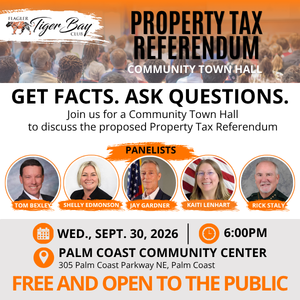
Meanwhile, Florida voters may throw a massive wrench into the works pending the fate of Amendment 3 in November. Added to the ballot by the state legislature, Amendment 3 would phase out most residential property taxes in Florida over the next several years. Local governments would lose a primary source of revenue, and potentially have to make major budget cuts in response.
Still, one Council member believes the city can afford to commit to a slightly lower maximum millage rate for its residents. Vice Mayor Pontieri suggested easing the magnitude of Code Enforcement patrols as a way to allow for a tighter rate. “I will not vote to increase the millage rate,” Pontieri said on Tuesday. “If we’re going to look somewhere, a reduction in the work that code enforcement does is where it should be.”
Further remedies suggested by staff included finding ways to increase revenue at the Southern Recreation Center and contributing less money to the Flagler Humane Society. The city is also working with the Flagler County Sheriff’s Office to see if a lower commitment is available. Multiple Council members additionally favored potentially addressing whether the city should continue to fund one school resource deputy.